

Southern China is facing an unprecedented natural disaster as Super Typhoon Ragasa, the strongest storm of 2025, barrels toward the region after devastating parts of the northern Philippines and Taiwan. Governments and residents across southern China are implementing large-scale evacuations and extensive precautionary measures as the typhoon approaches with destructive winds and heavy rains.
Overview of the Storm
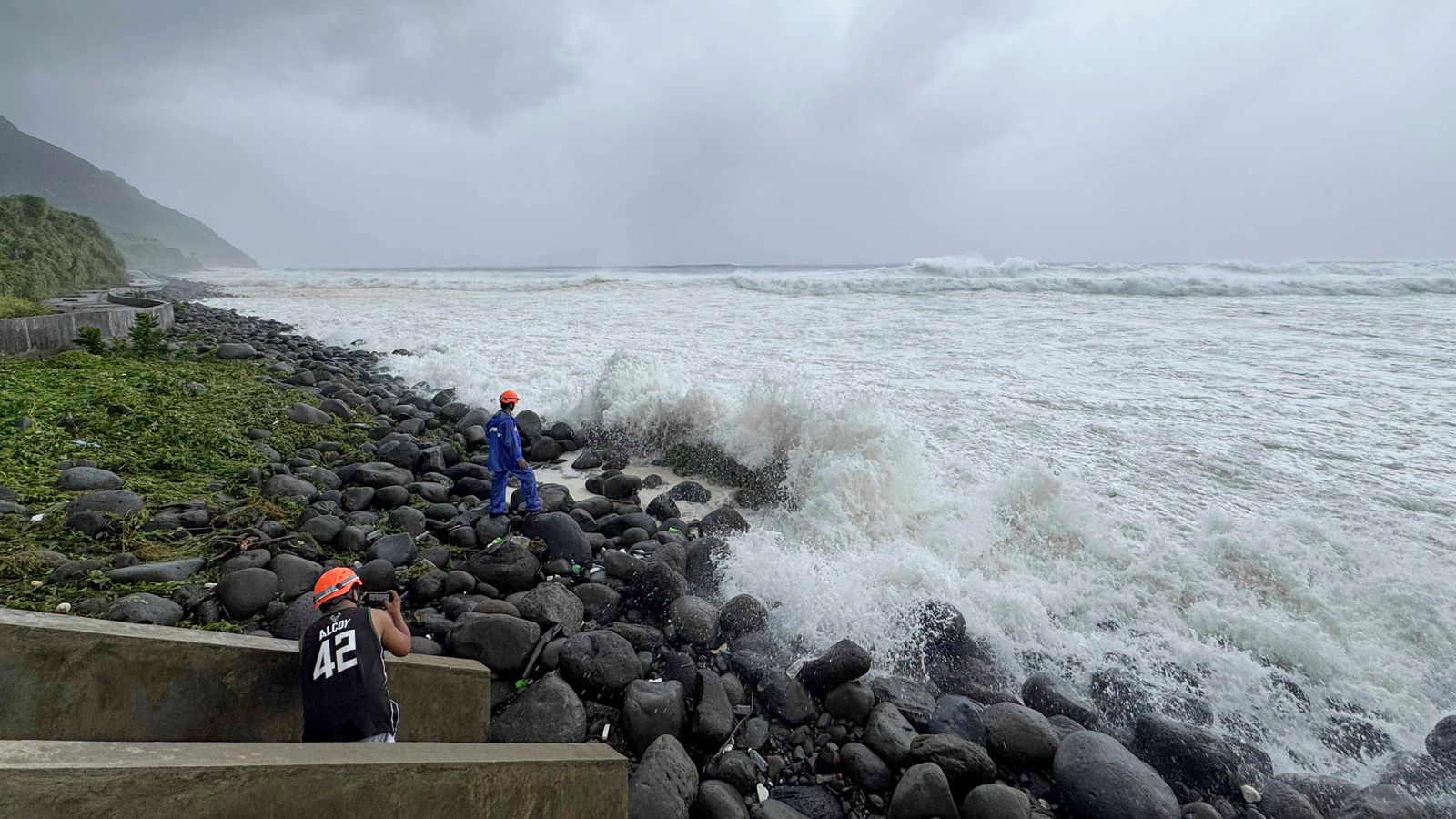
Typhoon Ragasa, known locally as Nando in the Philippines, struck northern Philippines as a Category 5 super typhoon with sustained wind speeds reaching up to 183 mph (295 km/h). It caused intense flooding and landslides, resulting in at least three deaths and displacing more than 17,500 people. After lashing the Philippines, the storm moved into the South China Sea and is expected to make landfall along the Guangdong coast and affecting key urban centers including Shenzhen and nearby Hong Kong and Macau.
Evacuation Efforts and Safety Measures
In preparation for landfall, the Chinese authorities have ordered the evacuation of significant populations in vulnerable locations:
| Location | Estimated Number of Evacuated People | Key Measures |
|---|---|---|
| Shenzhen | 400,000 | Evacuation from low-lying, flood-prone areas; airport closure; suspension of flights |
| Guangdong Province | 371,000 | Large-scale evacuation; deployment of 38,000 firefighters, 23 ships, helicopters, drones |
| Hong Kong | Tens of thousands | Closure of schools and businesses; cancellation of around 700 flights; Disneyland closure |
| Taiwan | Thousands in flood and landslide-risk areas | Local evacuations; flight cancellations; transport suspensions |
Emergency supplies such as tents, beds, lighting equipment, and family kits have been sent to support evacuees. Government agencies have also activated a Level IV emergency response—the third highest—in Guangdong, Hainan, and Fujian provinces, where torrential rains and flood risks are most severe.
Impact on Infrastructure and Services
The typhoon has forced significant disruptions:
-
Shenzhen Bao’an International Airport has canceled over 500 flights to mitigate risk.
-
Ferry services along China’s southeast coast have suspended over 50 routes.
-
Businesses, schools, and public transport services in Hong Kong and Guangdong have shut down temporarily.
-
Online delivery services experience shortages due to high demand and logistic disruptions as people stockpile essential goods such as food, water, and batteries.
Meteorological Forecast and Risks
Typhoon Ragasa currently sustains winds of approximately 220 km/h (137 mph) near the South China Sea. It is expected to maintain hurricane strength as it makes landfall, triggering:
-
Storm surges with sea levels rising 2 to 5 meters in some regions.
-
Torrential rains resulting in flooding and landslides, especially in mountainous areas around Guangdong and Fujian provinces.
-
Wind damage comparable to Typhoon Mangkhut in 2018, one of the most destructive storms in recent history for the region.
Humanitarian Context
In the Philippines, Ragasa caused significant human loss and displacement; similar dangers threaten millions in southern China. Authorities urge full compliance with evacuation orders, stressing the gravity of the situation. The scale of evacuation and mobilization of emergency response teams reflect the increasing frequency and intensity of tropical cyclones linked to climate change, highlighting the vulnerability of coastal megacities in Asia.
Table of Key Facts on Super Typhoon Ragasa (2025)
| Factor | Details |
|---|---|
| Maximum Sustained Winds | 220 km/h (137 mph) near South China Sea |
| Death Toll (Philippines) | At least 3 |
| Displaced (Philippines) | 17,500+ |
| Population Evacuated (China) | 771,000 (Shenzhen + Guangdong) |
| Flight Cancellations | 500+ in Shenzhen and Hong Kong total |
| Emergency Response Level | Level IV in Guangdong, Hainan, Fujian |
| Expected Landfall | Between Shanwei (Guangdong) and Wenchang (Hainan) |
| Storm Surge | 2 to 5 meters rising coastal sea levels |
This coordinated evacuation and emergency response exemplify the seriousness with which southern China is treating the threat posed by one of the most powerful typhoons recorded this year. The region’s preparedness and swift action aim to minimize casualties and damage as millions brace for Typhoon Ragasa’s impact.