
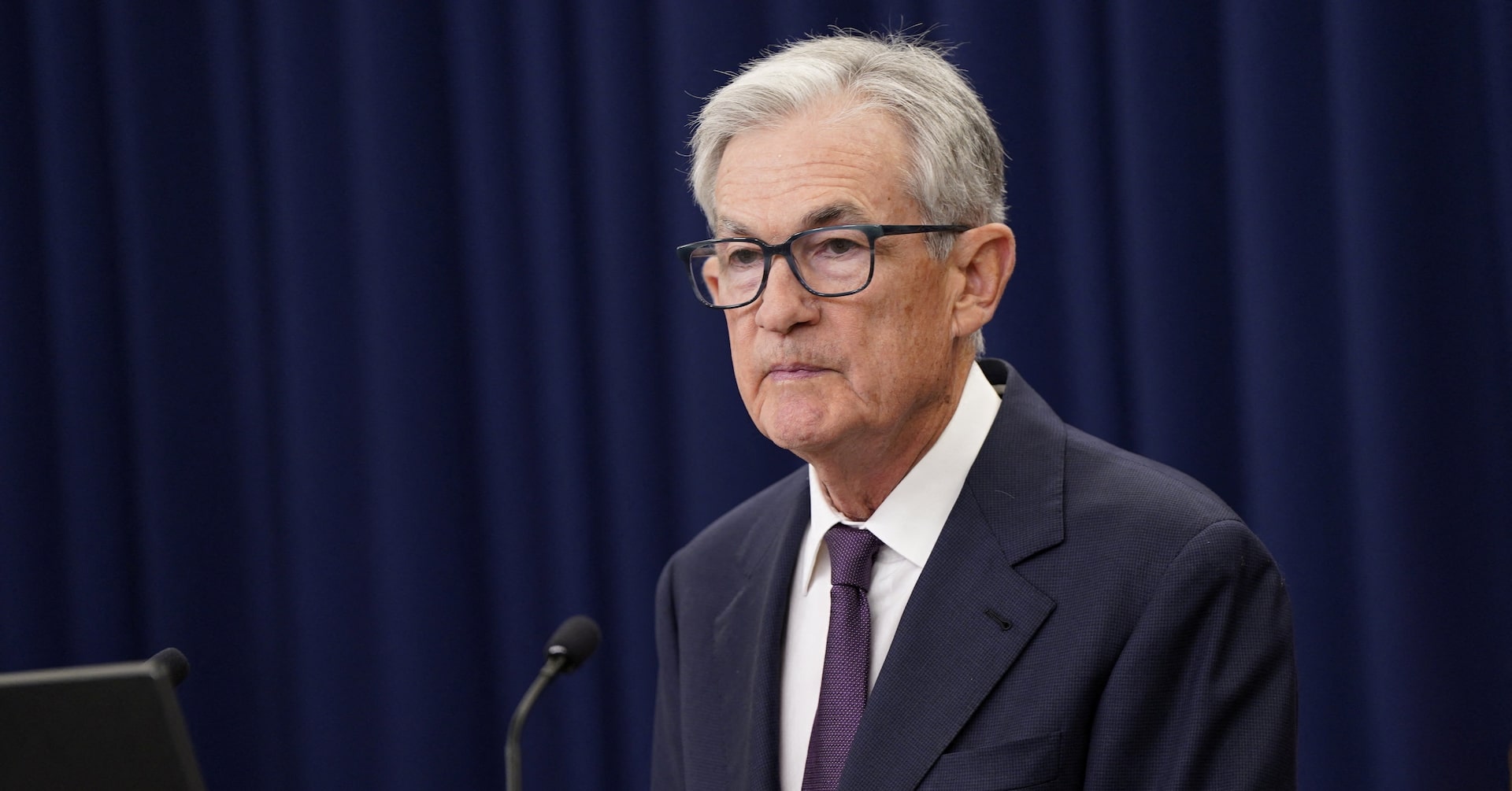
On September 17, 2025, the Federal Reserve implemented its first interest rate cut of the year, lowering the federal funds rate by 0.25 percentage points to a range of 4.00% to 4.25%. This move reflects growing concerns over a slowing labor market, amid persistent inflationary pressures. The decision marks a pivotal moment as the Fed balances the dual mandate of maintaining price stability and promoting maximum employment in an uncertain economic environment.
Key Details of the Federal Reserve Rate Cut
| Metric | Previous Value | New Value | Date of Change | Notes |
|---|---|---|---|---|
| Federal Funds Rate Range | 4.25% – 4.50% | 4.00% – 4.25% | September 17, 2025 | First cut since December 2024 |
| Expected Additional Cuts | N/A | 2 cuts in 2025 | Projected | Further quarter-point cuts anticipated |
| Unemployment Rate (2025) | 4.5% (estimated) | 4.4% (next year) | Projection | Slight downward revision for 2026 |
| GDP Growth Projections | 1.4% (2025) | 1.6% (2025) | Revised projection | Slight upward revision through 2027 |
| Inflation (PCE) Projection | 3.0% (2025) | 3.1% (Core PCE) | Projection | Inflation remains above target |
Table 1: Federal Reserve Interest Rate and Economic Projections
Why the Rate Cut?
The Federal Reserve’s monetary policymakers cut interest rates primarily because of emerging signs that the U.S. labor market is weakening. While unemployment remains low, job growth has slowed significantly over the past few months, signaling potential risks of broader economic slowdown and rising unemployment ahead. At the same time, inflation remains stubbornly above the Fed’s 2% target, creating a complex scenario for decision-makers.
Chair Jerome Powell’s Message
Jerome Powell described the Fed’s challenge as “quite unusual” during the post-decision press conference. He emphasized the difficulty of balancing inflation control against preserving labor market strength, stating, “There is no risk-free path.” The Fed acknowledged that risks to employment have risen while inflation risks remain skewed upward, underscoring the delicate policy environment.
Economic Outlook and Future Rate Cuts
Policymakers now project two additional quarter-point interest rate cuts before the end of 2025, a slightly more accommodative outlook than earlier in the year. This change reflects increased concern about the labor market’s slowing momentum, which the Fed sees as a greater near-term risk than overheating inflation.
The Impact on Borrowing and Employment
Lower interest rates typically reduce borrowing costs for consumers and businesses, encouraging spending and investment that can boost job creation. However, external headwinds such as tariffs, supply chain disruptions, and regulatory uncertainties have dampened business confidence and restrained hiring. This climate has contributed to the Fed’s caution, balancing stimulative measures with inflation containment efforts.
Summary: The Fed’s Dual Mandate in Focus
| Aspect | Current Challenge | Fed’s Approach |
|---|---|---|
| Inflation | Elevated, above 2%, persistent pressure | Monitor closely, cautious rate cuts |
| Employment | Slowing job growth, slight uptick in unemployment | Support through rate cuts, data-dependent |
| Economic Growth | Moderately slowing, with risks from tariffs | Prepared for further accommodation |
Table 2: Federal Reserve Focus Areas and Policy Response
In conclusion, the Federal Reserve’s first interest rate cut in nine months signals a major shift in strategy to address emerging risks in the labor market while remaining vigilant against inflation. Jerome Powell and the FOMC are treading carefully to steer the U.S. economy through a period of uncertainty, aiming to support jobs without letting inflation become unanchored. Additional cuts are expected, making the coming months critical for economic stability and growth.
This careful balance highlights the complex economic landscape the Fed must manage, emphasizing that the path ahead is fraught with challenges but also opportunities to foster sustained growth.